How to Celebrate Thanksgiving: 7 Simple Steps for a Cozy Day
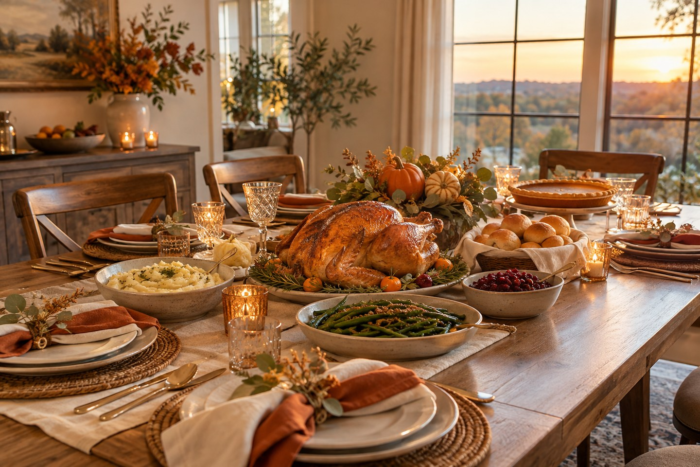
A memorable Thanksgiving starts with a manageable plan: welcome people you care about, serve a meal you can comfortably prepare, and leave room for conversation and gratitude. You do not need a huge turkey, expensive decorations, or a perfectly styled house to make the day special.
This guide explains how to celebrate Thanksgiving at home in seven simple steps, with ideas for a family dinner, a small gathering, or a relaxed Friendsgiving. Use the pictures as styling inspiration and adapt the food, timing, and traditions to your guests.
All images in this guide are original AI-generated scenes created for inspiration; they are not photographs of a real event.
When is Thanksgiving?
In the United States, Thanksgiving falls on the fourth Thursday in November. In 2026, that is Thursday, November 26. This guide focuses on a U.S.-style gathering, but you can use these hosting ideas for a gratitude dinner on a date that suits your family. See USAGov’s holiday calendar for the official holiday rule.
Thanksgiving also has a complex history. Make room for Native perspectives rather than presenting the holiday as a simple story of friendship. The Smithsonian National Museum of the American Indian offers resources that include Wampanoag perspectives and explain longstanding Indigenous traditions of gratitude.
1. Choose your gathering and send invitations
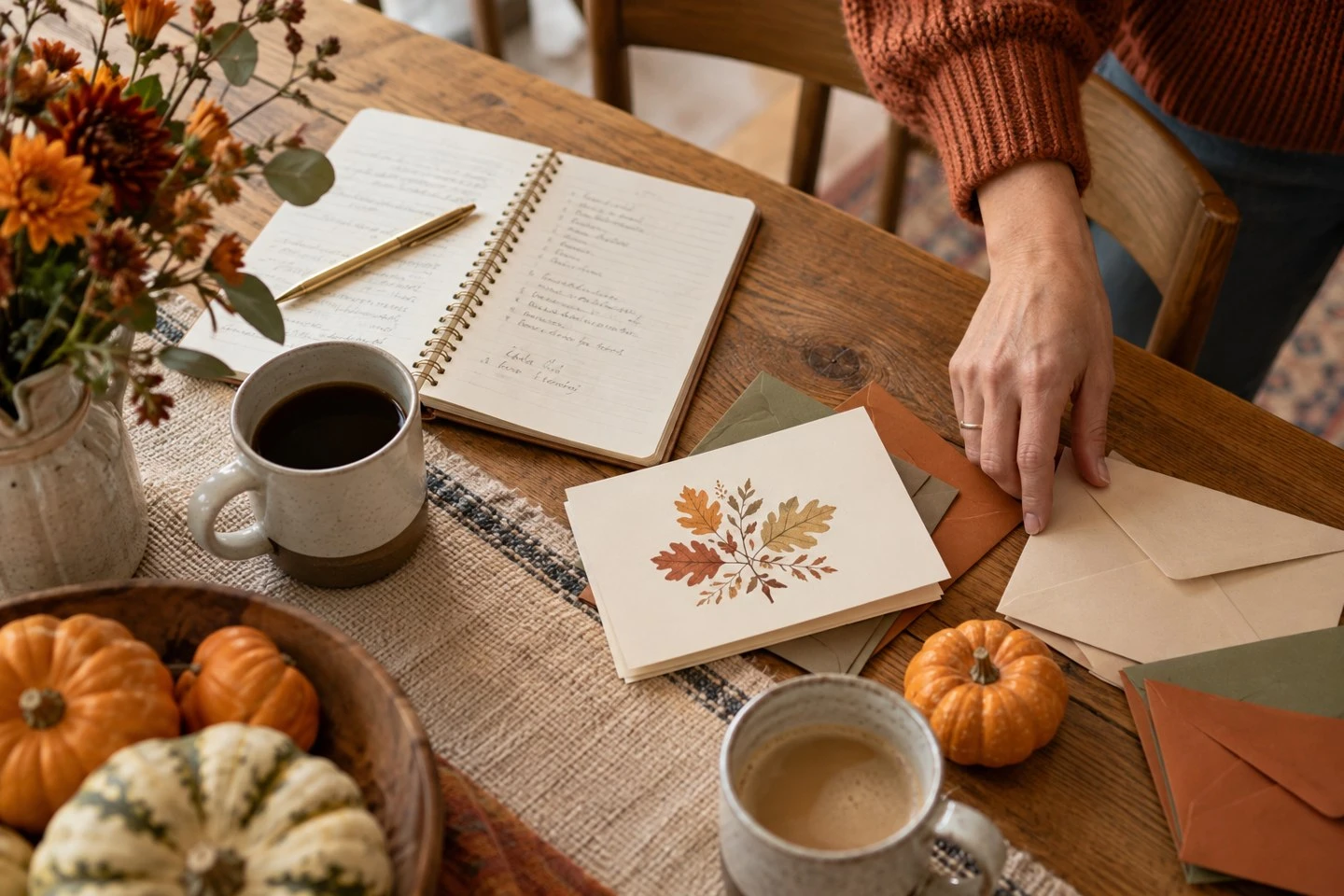
Start with the number of people you can seat comfortably. A dinner for four can be just as meaningful as a table for twelve. Decide whether you want a traditional meal, a potluck, or an informal Friendsgiving where everyone brings something.
Set a spending limit before choosing a menu. Ask guests about food allergies, dietary needs, and accessibility requirements, then plan a meal everyone can enjoy. For a potluck, assign categories such as a vegetable side, bread, dessert, or drinks so you do not end up with five pies and no main dish.
- Choose an arrival time and a separate mealtime.
- Include the address, RSVP contact, and any dish assignment.
- Confirm whether guests need oven or refrigerator space.
- Keep a simple list of confirmed guests and contributions.
Invitation wording: “Please join us for a cozy Thanksgiving dinner! Arrive at 3:00 p.m.; we’ll share a meal at 4:00 p.m. at our home. Please RSVP by November 19 and let us know about any dietary needs. We’re looking forward to spending the afternoon together.”
For a coordinated look, use the same warm colors on your invitation, place cards, and menu. You can explore Kikliy for invitation and design ideas.
2. Set a welcoming Thanksgiving table
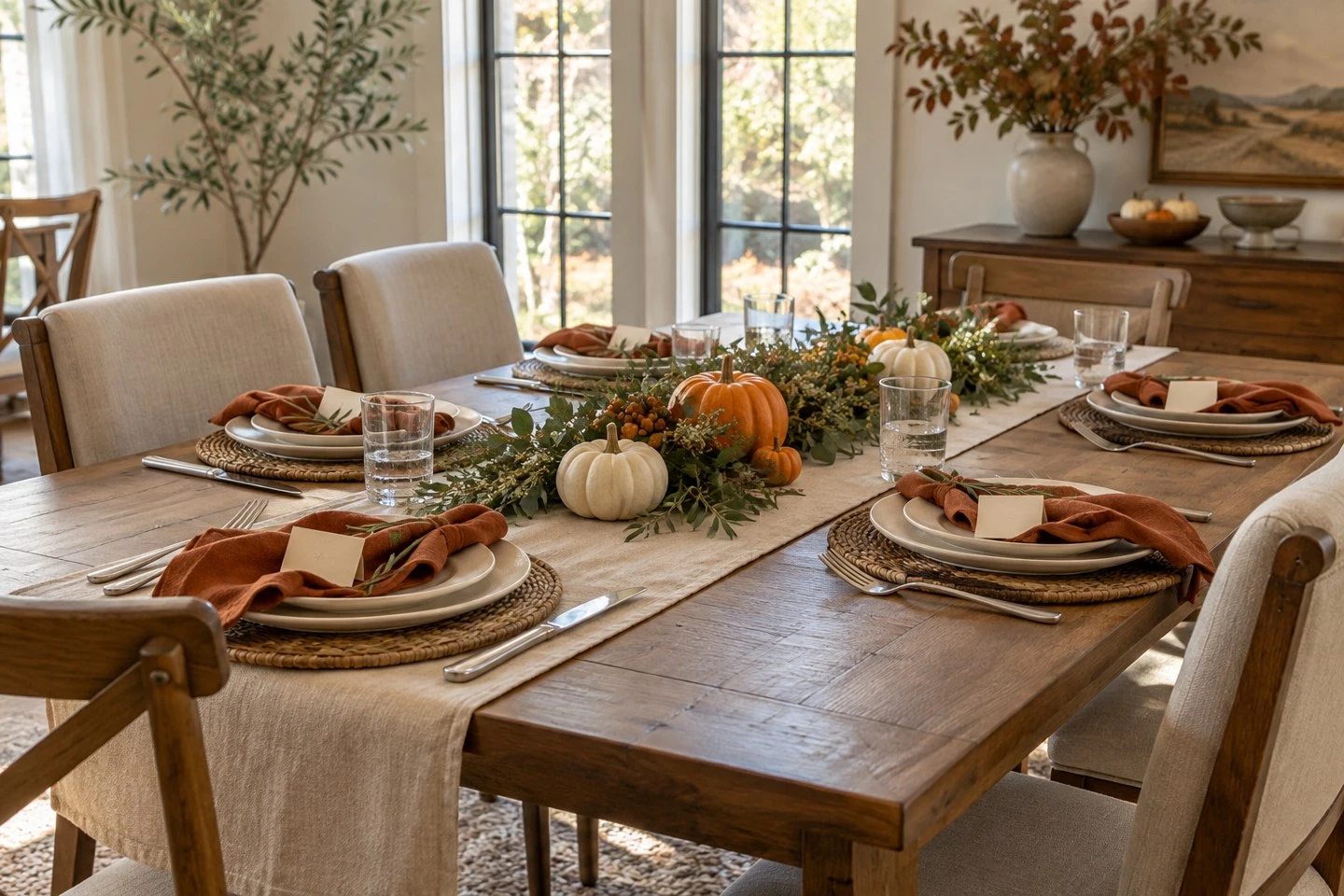
Pick two or three colors and repeat them through the table. Cream, rust, and sage work well with ordinary white plates and a wooden table. A plain runner, a few small pumpkins, and folded napkins can create a finished look without buying a complete new dinner set.
Keep the centerpiece low enough for guests to see each other. Leave open space for serving bowls, glasses, and elbows. If the table is small, place food on a nearby counter and let the dining table stay comfortable.
- Use dishes, glasses, and cutlery you already own.
- Add handwritten place cards if seating needs organizing.
- Set out a water pitcher and easy-to-reach napkins.
- Choose battery-operated candles for a soft glow around children and decorations.
Budget idea: Borrow extra chairs and serving bowls, then spend your decoration budget on one small centerpiece rather than decorating every corner of the room.
3. Prepare a simple Thanksgiving menu
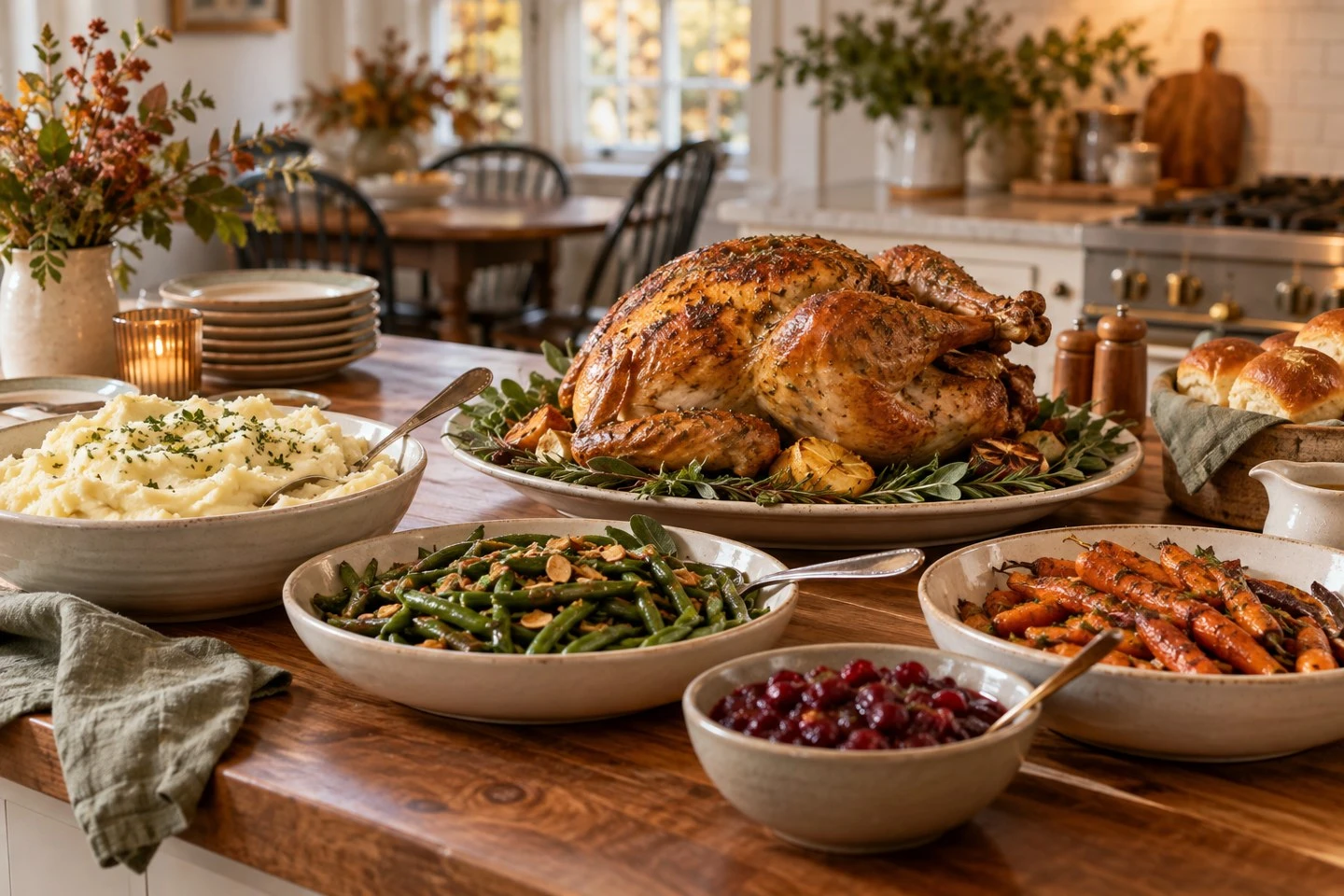
Build the meal around one main dish, three or four sides, and one dessert. Choose recipes you already know and check how much oven space they need. A shorter menu is easier to serve warm and gives you more time with your guests.
Turkey is an option, not a requirement. A smaller household might prefer roast chicken, a turkey breast, or a vegetarian centerpiece such as stuffed squash. Include a substantial meat-free choice when needed, and keep serving utensils separate for dishes with different ingredients.
| Part of the meal | Easy starting point |
|---|---|
| Main dish | Roast turkey, chicken, or stuffed squash |
| Comforting side | Mashed potatoes or roasted sweet potatoes |
| Vegetables | Green beans and roasted carrots |
| Something bright | Cranberry sauce or a crisp seasonal salad |
| Extra | Bread rolls and gravy or a vegetarian sauce |
| Dessert | Pumpkin pie, apple crumble, or a favorite family dessert |
Write a short cooking schedule and work backward from mealtime. Set out serving dishes the night before and put a note in each one saying what it will hold. Buying bread or dessert is a practical way to simplify the day.
Food-safety note: Cook turkey to at least 165°F (74°C), checking the thickest breast and innermost thigh and wing with a food thermometer. Color alone does not establish safety. Follow USDA’s turkey preparation guidance for thawing and cooking.
4. Make space for gratitude and conversation
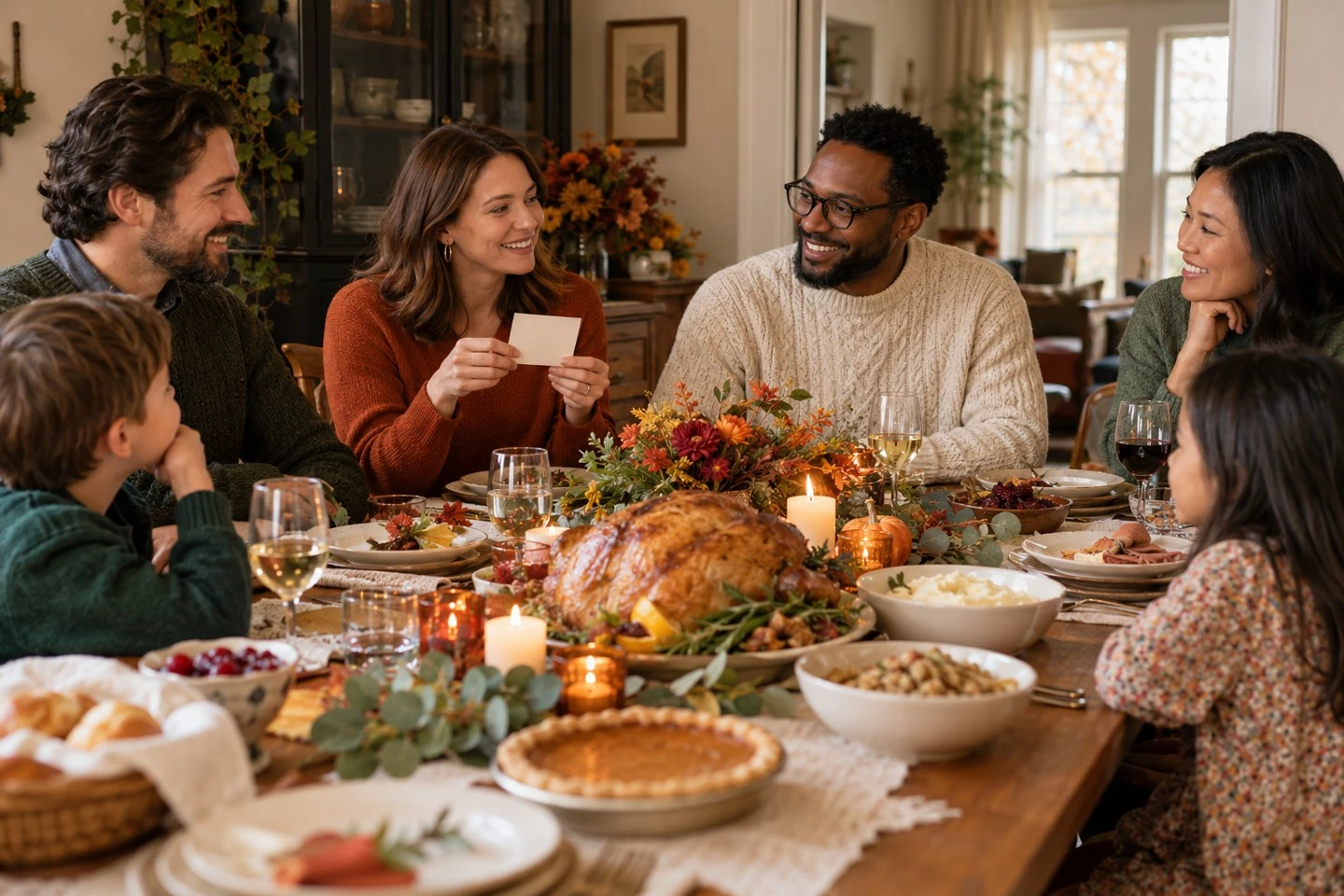
Before eating, invite each person to share one thing they appreciated this year. Keep it optional and brief; some guests enjoy speaking, while others would rather listen or write a private note. Gratitude does not have to turn into a formal speech.
Place a small card at each setting with a gentle prompt. Children can draw their answer, and adults can write a sentence. Save the cards in an envelope if your family would like to revisit them next year.
- Who made your life a little easier this year?
- What small moment made you smile?
- What is something you are looking forward to?
Make room for mixed feelings, too. A guest who has had a difficult year should not feel pressure to sound cheerful. A warm welcome and attentive listening can matter more than a planned activity.
5. Plan one or two relaxed family activities
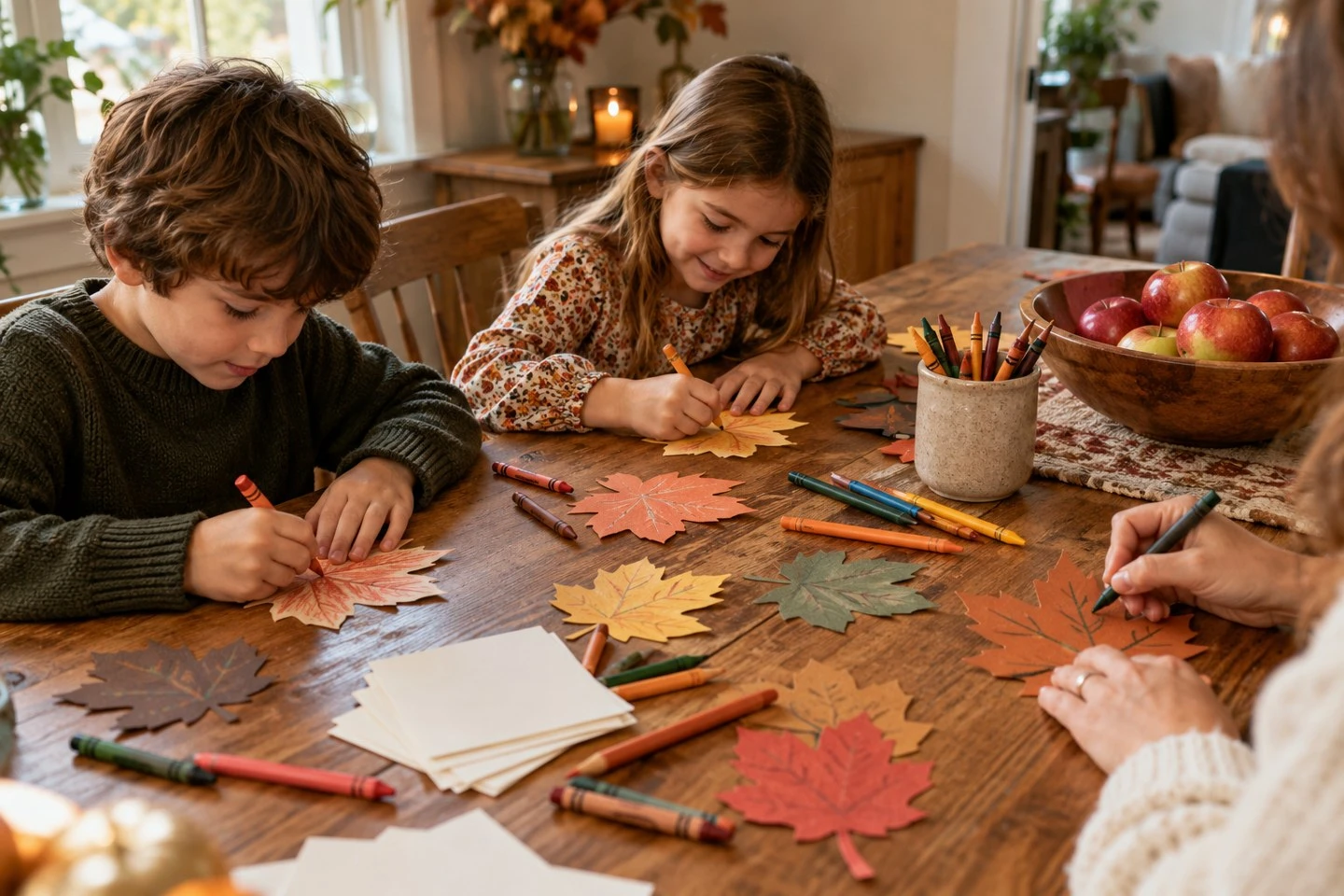
Choose activities that can begin and end naturally. A board game, a short walk, a family photo, or a paper-leaf craft gives people something to enjoy without turning the afternoon into a packed schedule. Put supplies out ahead of time so the host does not need to organize everything after dinner.
For a gratitude-leaf activity, cut simple leaf shapes from colored paper and offer crayons or pencils. Guests can write or draw something they appreciate and place their leaves in a bowl. Younger children may need help with cutting; pre-cut shapes keep the table easy to manage.
For a quiet alternative, choose a book by a Native author using the Smithsonian resource linked above. Talk about Native communities as living communities today, and avoid costume activities that turn cultures into party props.
Keep it flexible: Offer a quiet corner for anyone who needs a break, and let guests join activities rather than insisting everyone participates.
6. Add a thoughtful way to give back

Choose one helpful action that fits your time and budget. Ask a local food organization what it currently accepts before organizing a collection. Its needs may be different from the items you happen to have at home.
You might collect requested unopened pantry goods, contribute money to an organization you have checked, or arrange a volunteer shift in advance. If your family cannot donate this year, helping a neighbor with an errand or calling someone who feels isolated can still be meaningful.
- Check donation instructions and drop-off hours before making plans.
- Make contributions optional for guests.
- Include children in sorting suitable items or writing a kind note.
- Consider continuing the habit after the holiday.
7. Pack leftovers safely and finish with a thank-you
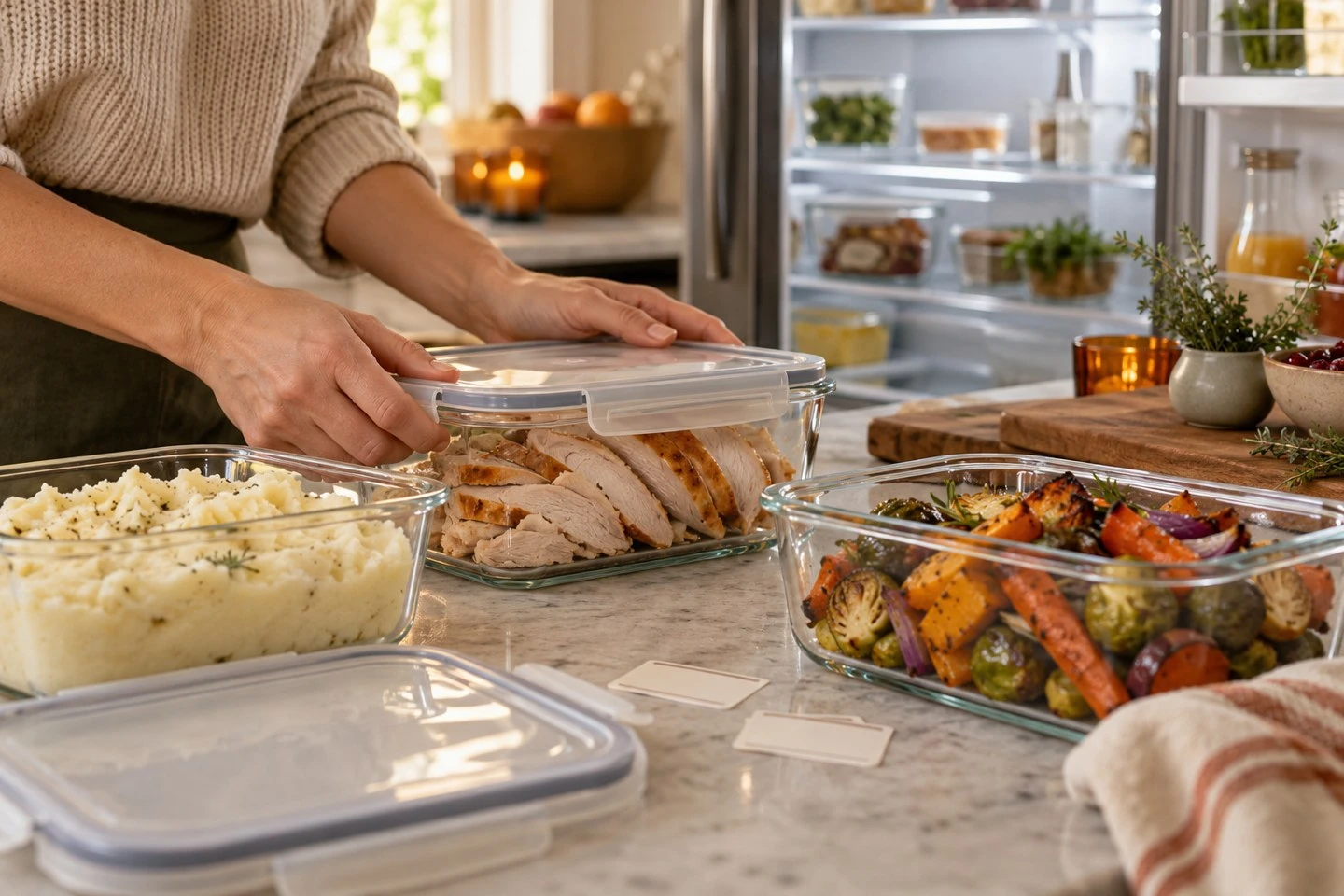
Set aside food-storage containers before guests arrive. After the meal, divide food into smaller portions, label containers with the date, and decide what you will eat soon and what you will freeze. Pack food promptly instead of leaving the buffet out through a long evening of games.
According to USDA’s leftovers guidance, refrigerate perishable food within two hours, or within one hour when temperatures exceed 90°F (32°C). Use shallow containers for quick cooling and keep the refrigerator at 40°F (4°C) or below. Use refrigerated leftovers within three to four days, or freeze them sooner. Reheat leftovers to 165°F (74°C).
Send a short message thanking guests for coming or for the dish they brought. If you took photographs, ask before sharing pictures of other people online. Make a note of the recipes and activities that worked so next year’s planning starts with something useful.
A simple Thanksgiving hosting timeline
- One to two weeks before: Invite guests, set a budget, confirm dietary needs, and assign potluck dishes.
- Several days before: Shop, check recipes and equipment, and allow enough time for safe refrigerator thawing if you are using frozen turkey.
- The day before: Set the table, prepare suitable make-ahead dishes, and clear refrigerator space.
- On the day: Follow your cooking schedule, welcome guests, and enjoy a brief gratitude moment before the meal.
- After eating: Refrigerate leftovers promptly, then settle into games, conversation, or a quiet activity.
Frequently asked questions
How do you celebrate Thanksgiving for the first time?
Start with a small guest list, a familiar main dish, a few sides, and a comfortable place to sit. Add a short gratitude activity and ask guests to help with food or cleanup. You can build your own traditions gradually.
Can you celebrate Thanksgiving without turkey?
Yes. Choose food your guests enjoy, such as roast chicken, a vegetarian main, or dishes from your own family’s cooking traditions. A shared meal does not need a particular centerpiece.
How can you celebrate Thanksgiving on a budget?
Agree on a spending limit, organize a potluck, borrow serving pieces, and reuse decorations. Prioritize enough food and comfortable seating before buying seasonal extras.
What is Friendsgiving?
Friendsgiving is an informal Thanksgiving-style gathering with friends. You can host it as a potluck on a convenient date and use the same planning, gratitude, and food-safety ideas.
The most enjoyable plan is one you can manage comfortably. Choose a few details that matter to your household, welcome guests warmly, and let the day include time to simply be together.
← All stories · Explore invitations