What Can I Bring to Thanksgiving? 5 Easy Steps for Guests

Wondering, “What can I bring to Thanksgiving?” Bring something your host actually needs: an agreed-upon side dish, dessert, bread, drinks, or a small host gift. Ask first, bring it ready to serve, and avoid arriving with a dish that needs unexpected oven space.
You do not need an expensive gift or a complicated recipe to be a thoughtful guest. This guide helps you choose a useful contribution, understand the Thanksgiving party meaning, and add a personal touch to the celebration.
Thanksgiving party meaning: what are you being invited to?
A Thanksgiving party is usually a gathering where people share a meal, spend time together, and express gratitude. It might be a family dinner, an informal buffet, an office lunch, or a Friendsgiving celebration organized by friends. “Potluck” means guests contribute dishes; a dinner invitation alone does not necessarily mean you should bring food.
Traditions vary between households. Some include a prayer or a round of shared thanks, while others focus on conversation and a relaxed meal. Follow your host’s lead rather than assuming every Thanksgiving celebration will look the same.
The holiday’s history is more complex than the familiar story of a friendly harvest meal. Native perspectives are an important part of understanding it; the Smithsonian’s guide to rethinking Thanksgiving offers useful context. For more everyday celebration ideas, read Kikliy’s Thanksgiving meaning and celebration guide.
What can I bring to Thanksgiving? A quick guide
| If the host needs… | Offer to bring… | Check first |
|---|---|---|
| A side dish | Roasted vegetables, a green salad, or a familiar casserole | Dietary needs and reheating space |
| Dessert | Apple pie, cookies, or a bakery dessert | What is already on the menu |
| Something easy | Bread rolls, sparkling water, or juice | How many guests are coming |
| A non-food contribution | Place cards, a small floral arrangement, or help setting up | Whether it fits the host’s plans |
| Nothing for the meal | A handwritten note or a modest gift for later | Respect “no gifts” if the host says it |
Pick one contribution and do it well. You do not need to bring a dish, drinks, flowers, and decorations to the same gathering.
Step 1: Ask the host before you shop or cook
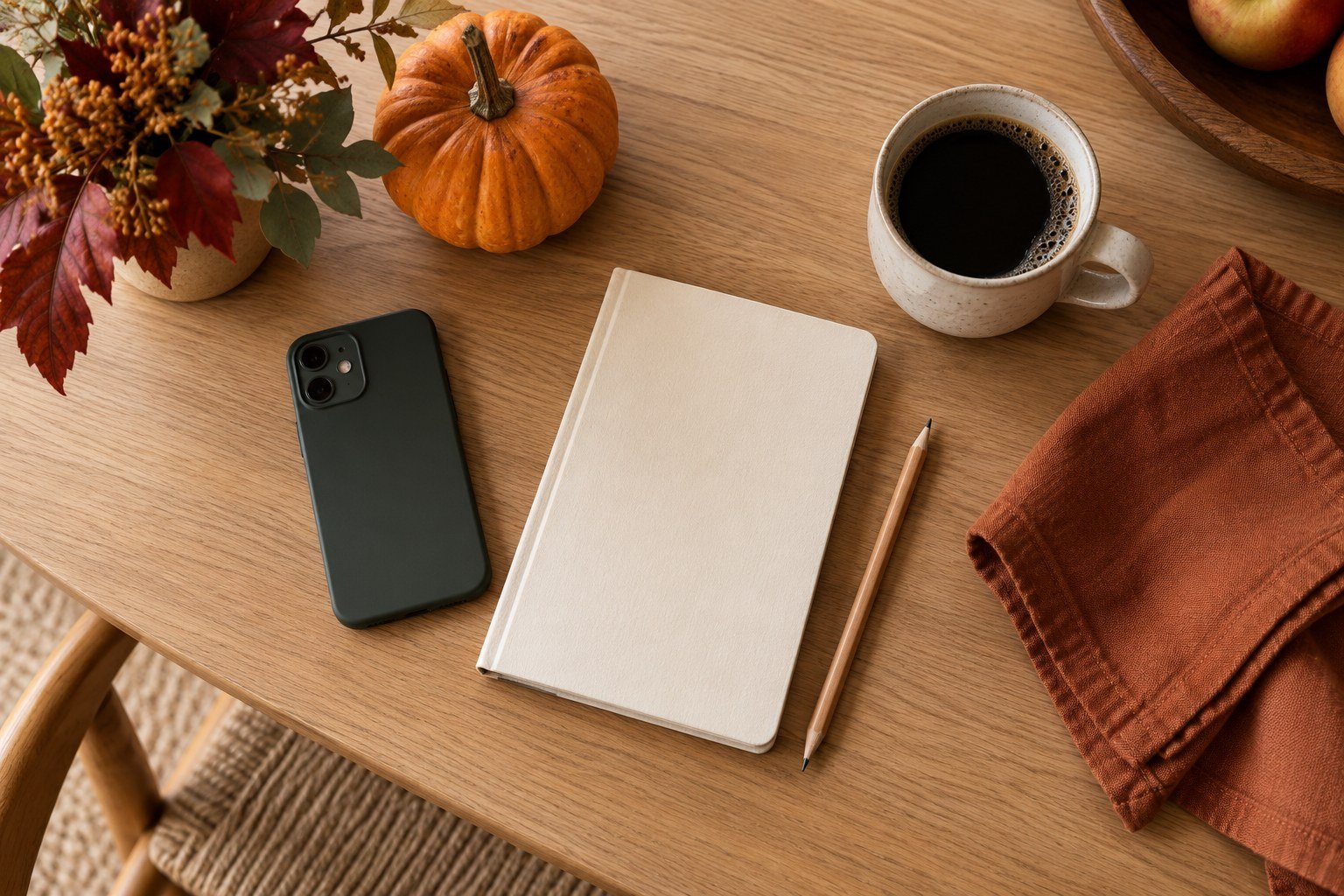
A specific offer is easier to answer than a general “What should I bring?” Try giving your host two simple choices:
“Thank you for inviting me! Would bread rolls or dessert be more useful? Please let me know about allergies and whether the food needs to arrive ready to serve.”
Confirm the number of guests, the arrival time, and any dietary requirements. Ask whether the host wants food hot, chilled, or ready for an agreed reheating slot. Mention any serving equipment your dish needs.
If the answer is “We have everything covered,” accept it. Do not surprise the host with a large casserole or an extra dessert they must find space for. You can still arrive on time, join the conversation, and offer a specific bit of help.
Organizing the gathering yourself? Put the RSVP deadline and potluck instructions on your Thanksgiving dinner invitation so guests know whether to contribute.
Step 2: Choose one dish that travels well

The best dish to bring to Thanksgiving dinner is one you can prepare reliably, transport safely, and serve without taking over the kitchen. Choose something you already know how to make rather than testing a complicated recipe on the day.
Easy side dishes
Offer roasted carrots, green beans, a salad with dressing packed separately, or dinner rolls. A casserole can work well when the host has agreed to the heating arrangements. Bring a serving spoon or tongs, and label your container if you want it returned.
Desserts and store-bought options
Apple pie, cookies, brownies, or a bakery cake can all be practical choices. Check the menu first: another pumpkin pie may be less helpful than a dessert the host has not planned. Keep packaging or an ingredient list available, especially for bakery items with possible allergens.
Drinks and low-budget contributions
Sparkling water, juice, tea, or coffee can fill a gap without much preparation. Ask before bringing alcohol. If your budget is tight, a pack of rolls or an agreed bag of ice may help more than an elaborate gift. A contribution should fit your means.
For a group potluck, use one shared list of dishes. Kikliy’s Burgundy Gingham Friendsgiving Potluck Invitation is a relevant starting point for communicating the occasion and event details.
Step 3: Bring a thoughtful non-food option when appropriate
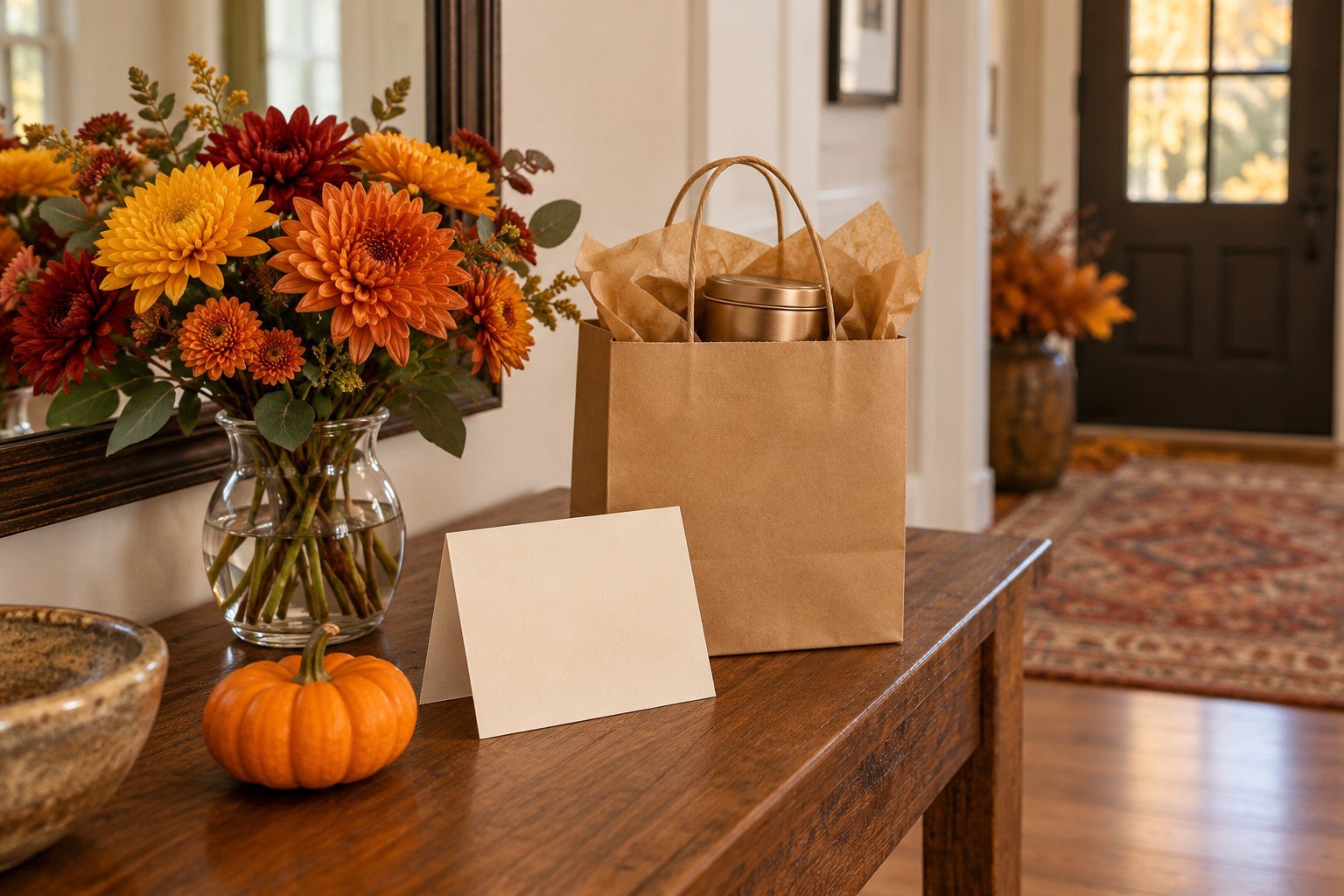
If the food is already arranged, consider a handwritten note, a small bunch of flowers already in a vase, or a sealed tea or coffee gift that suits your host’s preferences. Avoid bringing a large bouquet that needs trimming and arranging while dinner is being served.
A host gift is separate from your meal contribution. If you bring something for later, say so: “This is for you to enjoy another day.” That removes any pressure to open or serve it immediately.
A personal touch can be inexpensive. Add an autumn illustration to a printed gift tag or thank-you card using Thanksgiving PNG clipart. For a small corner accent, the Harvest Corner Thanksgiving PNG is a relevant design to explore. Check the individual download’s usage terms before creating items to sell.
Step 4: Pack your food for the journey
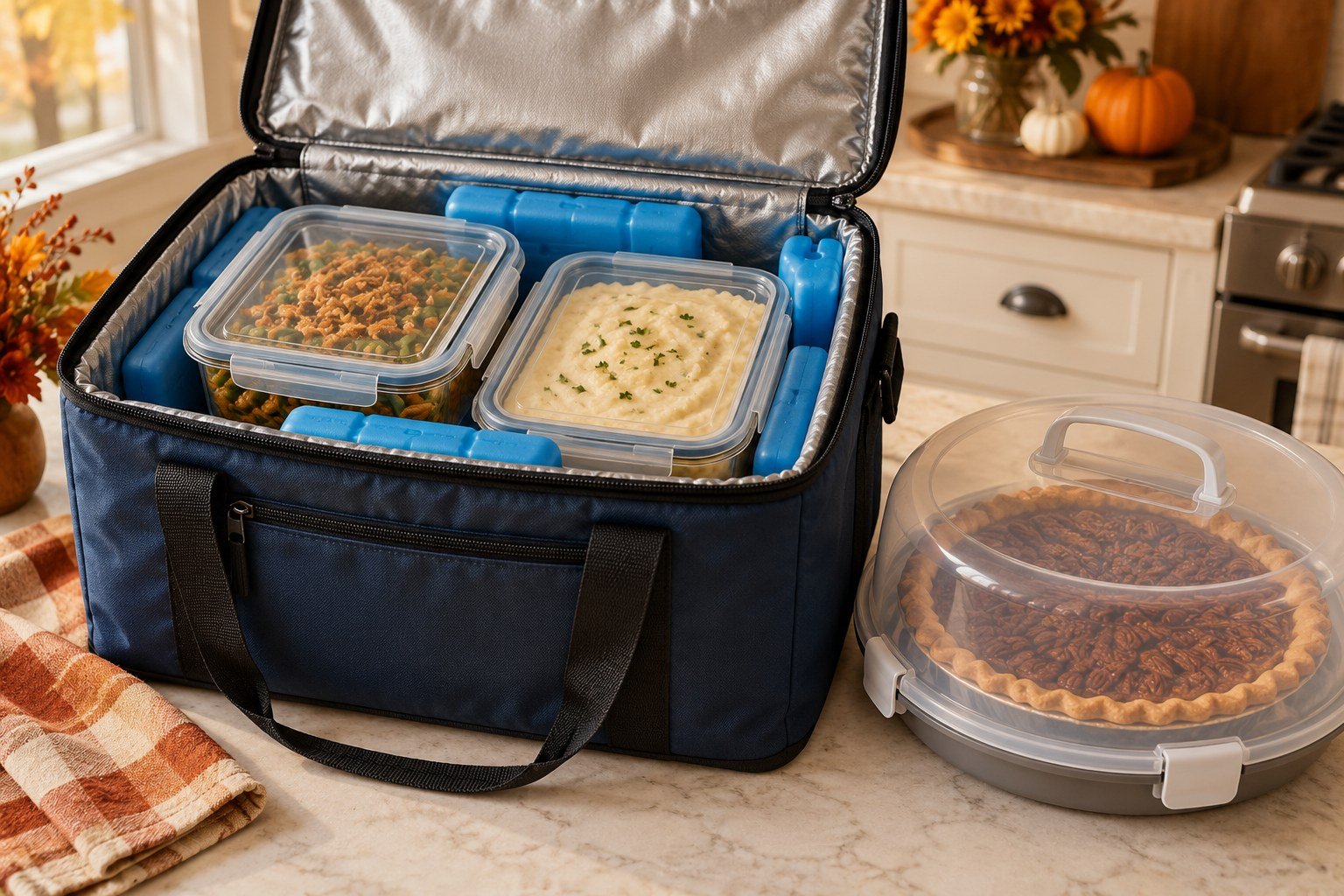
Use containers with secure lids and keep them level during travel. Pack dressings and sauces separately where practical. Bring the serving utensil, any ingredient information, and a clear explanation of what the dish needs when it arrives.
USDA food-safety guidance recommends keeping cold food at or below 40°F (about 4°C) and hot food at or above 140°F (60°C). Use a cooler with ice packs for chilled perishables. An insulated bag alone does not prove a dish stayed at a safe temperature; use a food thermometer when needed.
Perishable food should not remain outside safe temperature control for more than two hours, or one hour when temperatures exceed 90°F (about 32°C). Count time spent transporting and serving it together. If you cannot keep a hot dish safely hot, agree on chilled transport and suitable reheating with the host beforehand.
Choose a simpler contribution if your journey makes food transport difficult. Bread, an appropriate sealed drink, or a non-food gift may be more practical than a temperature-sensitive dish.
Step 5: Add a personal touch to the Thanksgiving celebration
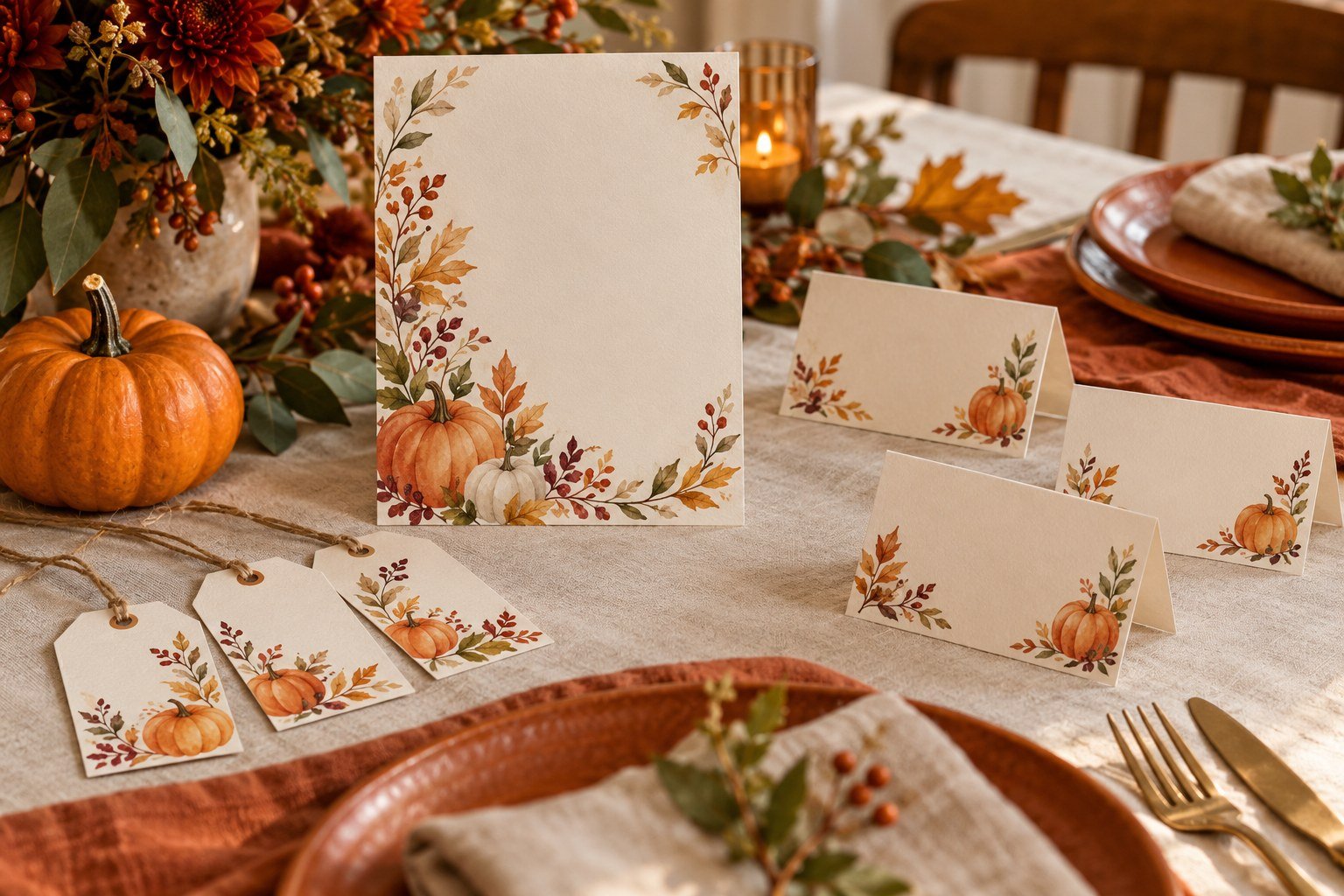
If the host welcomes help with the table, offer to prepare place cards, a simple menu, or small gratitude cards. Keep them easy to read and coordinate the colors with the existing table setting. Ask before bringing decorations, since the host may already have a plan.
Choose one autumn motif rather than filling every card with artwork. A pumpkin or a small leaf detail leaves room for a guest’s name or a short message. Explore Kikliy’s Autumn Wreath Thanksgiving PNG for a seasonal accent, or browse the invitation collection linked above for a coordinated starting point.
When you arrive, offer a concrete task: placing napkins, filling water glasses, or clearing a few plates when asked. Let the host direct you. Being present and considerate matters more than arriving with the biggest gift.
For hosts planning the whole day, Kikliy’s step-by-step Thanksgiving celebration guide covers the wider gathering.
What should you avoid bringing?
- A surprise main course that changes the host’s menu.
- A dish that needs unplanned oven, refrigerator, or counter space.
- Food with unclear ingredients when the host has asked about allergies.
- A large decoration or strongly scented item without checking first.
- An extra guest who has not been invited.
You can be generous without creating more work. Check before bringing something unusual, and accept the host’s answer graciously.
Frequently asked questions
What can I bring to Thanksgiving if I cannot cook?
Ask whether bakery bread, a store-bought dessert, sparkling water, or another sealed drink would help. Keep ingredient information available. A handwritten note is also a thoughtful option when the meal is covered.
What should I bring when the host says “nothing”?
Respect the request. You can arrive with a warm thank-you and offer help when appropriate. A small gift for later can be suitable if gifts are welcome, but it is not a requirement.
Is it okay to bring store-bought food?
Yes, when it fits what the host needs. Confirm the item, bring enough for the agreed number of people, and avoid presenting it as homemade.
What is the difference between Thanksgiving and Friendsgiving?
Thanksgiving is the holiday; Friendsgiving is an informal gathering centered on friends, often held around the same season. Either can be a potluck, but check the invitation rather than assuming.
Can I bring Thanksgiving decorations instead of food?
Yes, if the host wants them. Place cards or a few printed gift tags can be useful. Agree on the design and quantity before making them.
How much food should I bring?
Ask the host how many portions they need from your dish. In a potluck with several contributions, your dish may not need to serve every guest a full meal-sized portion.
Your before-you-leave checklist
- Confirm the contribution and arrival time.
- Check dietary requirements and ingredient information.
- Pack secure containers and serving utensils.
- Plan safe temperatures for the whole journey.
- Bring any agreed cards, tags, or host gift.
The answer to “What can I bring to Thanksgiving?” starts with a conversation. Choose one useful contribution, prepare it with care, and leave yourself enough time to enjoy the people you came to see.
Images are AI-generated editorial illustrations. Food-safety and historical references are linked where discussed.
← All stories · Explore invitations